span class="post-author">Lisa G (0)
You can join others enjoying substantial improvements in their health, energy and pant size by making a few key, delicious substitutions to your eating habits.  This is possible with the Cureality nutrition approach, which rejects the idea that grains should form the cornerstone of the human diet.  

Grain products, which are seeds of grasses, are incompatible with human digestion.  Contrary to what we have been told for years, eating healthy whole grain is not the answer to whittle away our waists.  Consumption of all grain-based carbohydrates results in increased production of the fat storage hormone insulin.  Increased insulin levels create the perfect recipe for weight gain. By swapping out high carbohydrate grain foods that cause spikes in insulin with much lower carbohydrate foods, insulin release is subdued and allows the body to release fat.

1. Swap wheat-based flour with almond flour/meal


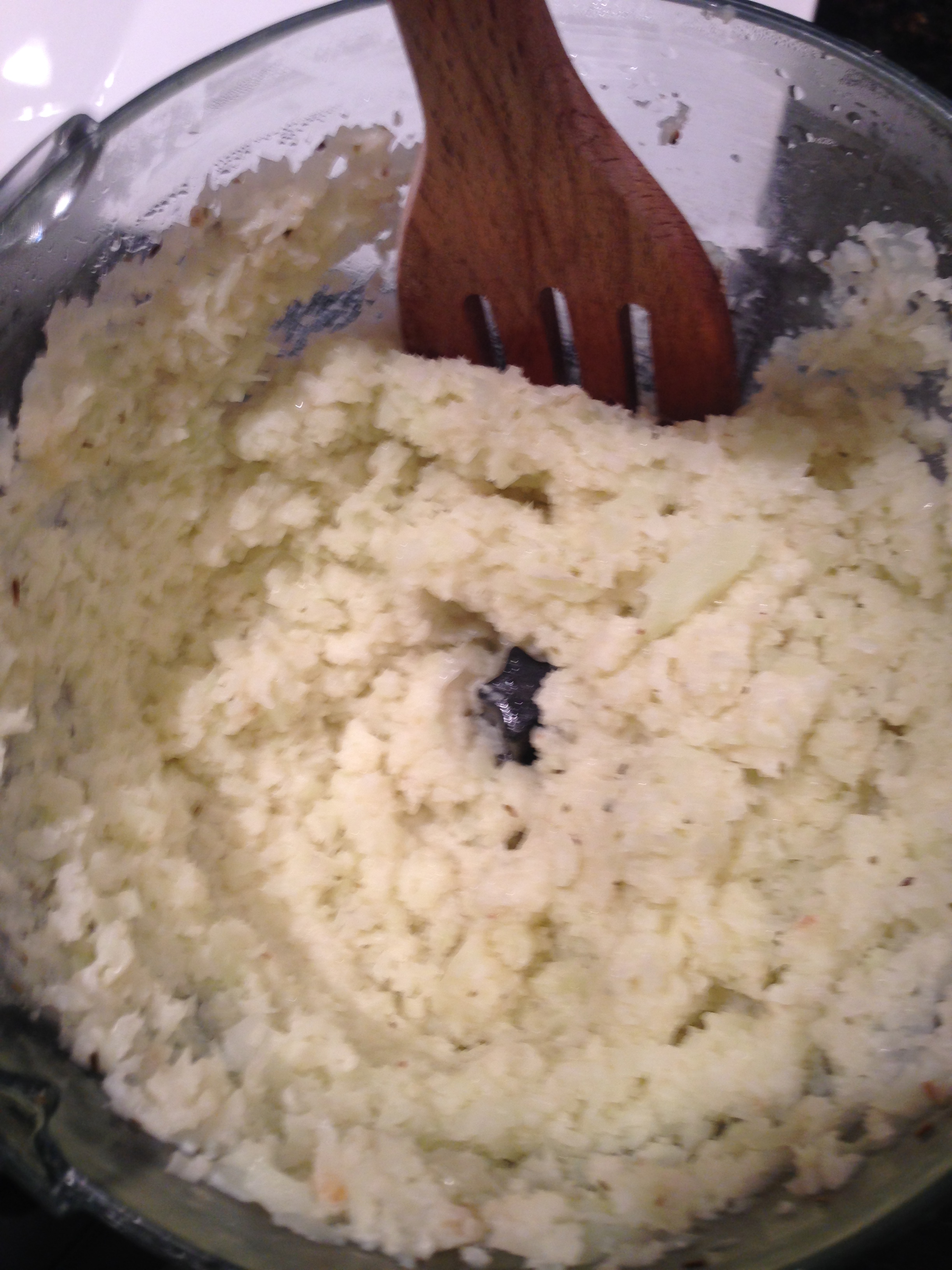
2. Swap potatoes and rice for cauliflower

3. Swap pasta for shirataki noodles and zucchini


Lisa Grudzielanek, MS,RDN,CD,CDE
Cureality Nutrition Specialist

Not so fast. Don’t make this mistake when going gluten free!

Beginning last month, the Food and Drug Administration began implementing its definition of “gluten-free” on packaged food labels.  The FDA determined that packaged food labeled gluten free (or similar claims such as "free of gluten") cannot contain more than 20 parts per million of gluten.

It has been years in the making for the FDA to define what “gluten free” means and hold food manufactures accountable, with respect to food labeling.  However, the story does not end there.

Yes, finding gluten-free food, that is now properly labeled, has become easier. So much so the market for gluten-free foods tops $6 billion last year.   However, finding truly healthy, commercially prepared, grain-free foods is still challenging.

A very common mistake made when jumping into the gluten-free lifestyle is piling everything labeled gluten-free in the shopping cart.  We don’t want to replace a problem: wheat, with another problem: gluten free products.

Typically gluten free products are made with rice flour (and brown rice flour), tapioca starch, cornstarch, and potato flour.  Of the few foods that raise blood sugar higher than wheat, these dried, powdered starches top the list.

 They provide a large surface area for digestion, thereby leading to sky-high blood sugar and all the consequences such as diabetes, hypertension, cataracts, arthritis, and heart disease. These products should be consumed very rarely consumed, if at all.  As Dr. Davis has stated, “100% gluten-free usually means 100% awful!”

There is an ugly side to the gluten-free boom taking place.  The Cureality approach to wellness recommends selecting gluten-free products wisely.  Do not making this misguided mistake and instead aim for elimination of ALL grains, as all seeds of grasses are related to wheat and therefore overlap in many effects.

Lisa Grudzielanek MS, RDN, CD, CDE
Cureality Health & Nutrition Coach

3 Foods to Add to Your Next Grocery List

Looking for some new foods to add to your diet? Look no further. Reach for these three mealtime superstars to encourage a leaner, healthier body.

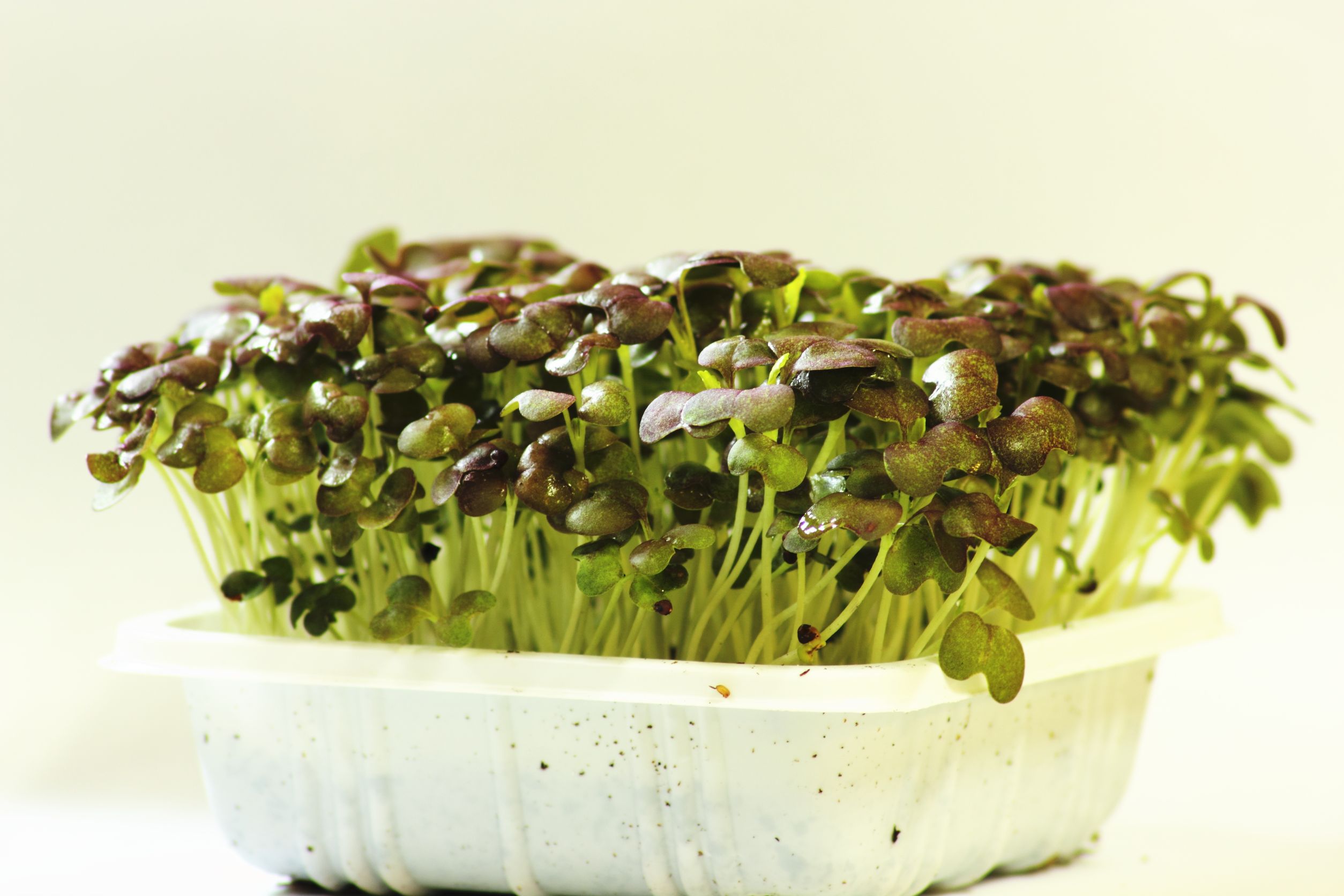
Microgreens

Microgreens are simply the shoots of salad greens and herbs that are harvested just after the first leaves have developed, or in about 2 weeks.  Microgreen are not sprouts. Sprouts are germinated, in other words, sprouted seeds produced entirely in water. Microgreens are grown in soil, thereby absorbing the nutrients from the soil.

The nutritional profile of each microgreen depends greatly on the type of microgreen you are eating. Researchers found red cabbage microgreens had 40 times more vitamin E and six times more vitamin C than mature red cabbage. Cilantro microgreens had three times more beta-carotene than mature cilantro.

A few popular varieties of microgreens are arugula, kale, radish, pea, and watercress. Flavor can vary from mild to a more intense or spicy mix depending on the microgreens.  They can be added to salads, soup, omelets, stir fry and in place of lettuce.  

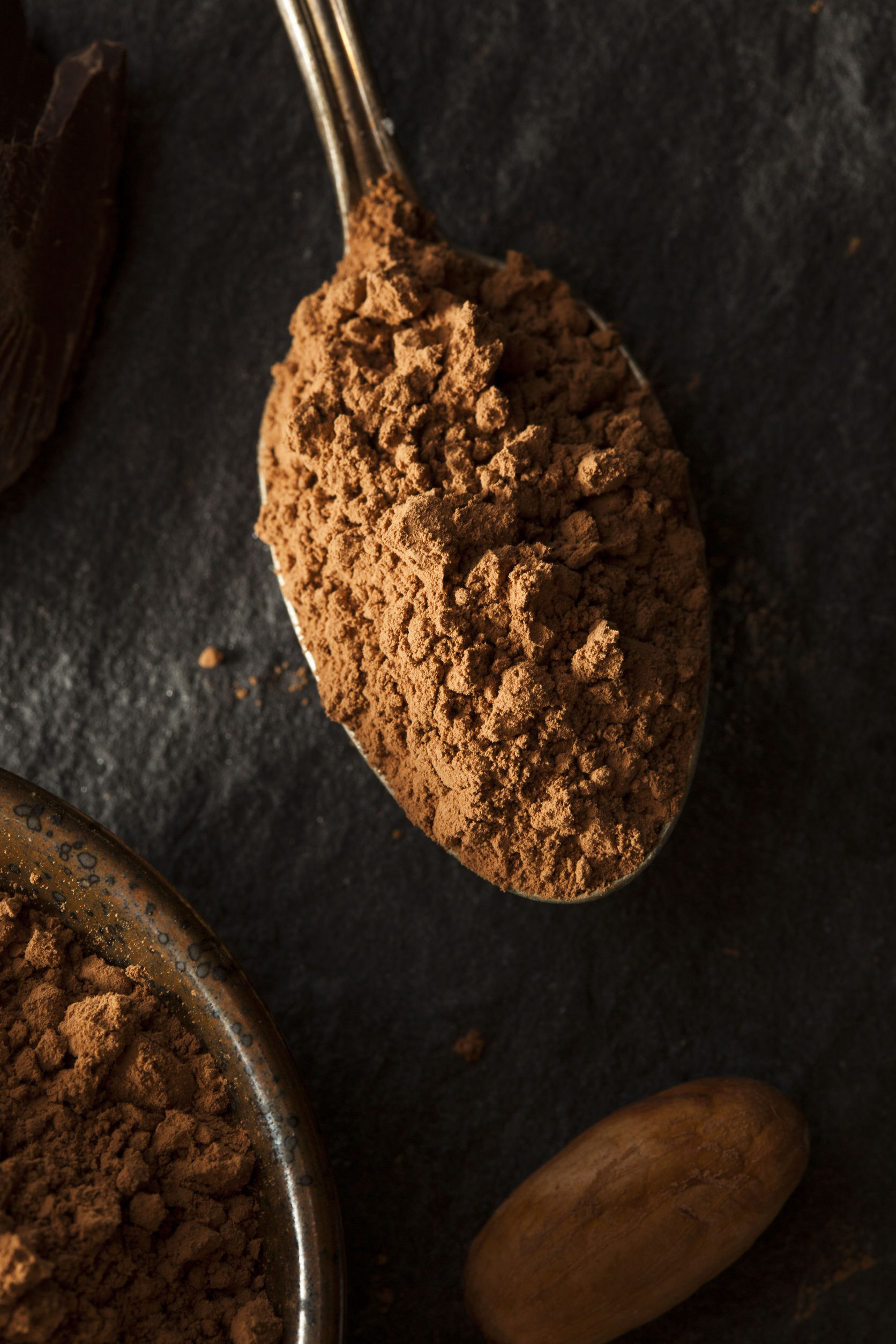
Cacao Powder

Cocoa and cacao are close enough in flavor not to make any difference. However, raw cacao powder has 3.6 times the antioxidant activity of roasted cocoa powder.  In short, raw cacao powder is definitely the healthiest, most beneficial of the powders, followed by 100% unsweetened cocoa.

Cacao has more antioxidant flavonoids than blueberries, red wine and black and green teas.  Cacao is one of the highest sources of magnesium, a great source of iron and vitamin C, as well as a good source of fiber for healthy bowel function.
Add cacao powder to milk for chocolate milk or real hot chocolate.  Consider adding to coffee for a little mocha magic or sprinkle on berries and yogurt.


Shallots


Shallots have a better nutrition profile than onions. On a weight per weight basis, they have more anti-oxidants, minerals, and vitamins than onions. Shallots have a milder, less pungent taste than onions, so people who do not care for onions may enjoy shallots.

Like onions, sulfur compounds in shallot are necessary for liver detoxification pathways.  The sulfur compound, allicin has been shown to be beneficial in reducing cholesterol.  Allicin is also noted to have anti-bacterial, anti-viral, and anti-fungal activities.

Diced then up and add to salads, on top of a bun less hamburger, soups, stews, or sauces.  Toss in an omelet or sauté to enhance a piece of chicken or steak, really the possibilities are endless.  

Lisa Grudzielanek,MS,RDN,CD,CDE
Cureality Nutrition & Health Coach

3 Band Exercises for Great Glutes

Bands and buns are a great combination.  (When I talk about glutes or a butt, I use the word buns)  When it comes to sculpting better buns, grab a band.   Bands are great for home workouts, at gym or when you travel.  Check out these 3 amazing exercises that will have your buns burning. 

Band Step Out

Grab a band and place it under the arch of each foot.  Then cross the band and rest your hands in your hip sockets.  The exercise starts with your feet hip width apart and weight in the heels.  Slightly bend the knees and step your right foot out to the side.  Step back in so that your foot is back in the starting position.  With each step, make sure your toes point straight ahead.  The tighter you pull the band, the more resistance you will have.    You will feel this exercise on the outside of your hips. 

Start with one set of 15 repetitions with each foot.  Work on increasing to 25 repetitions on each side and doing two to three sets.


Band Kick Back

This exercise is performed in the quadruped position with your knees under hips and hands under your shoulders.    Take the loop end of the band and put it around your right foot and place the two handles or ends of the band under your hands.  Without moving your body, kick your right leg straight back.  Return to the starting quadruped position.  Adjust the tension of the band to increase or decrease the difficulty of this exercise. 

Start with one set of 10 repetitions with each foot.  Work on increasing to 20 repetitions on each side and doing two to three sets. 


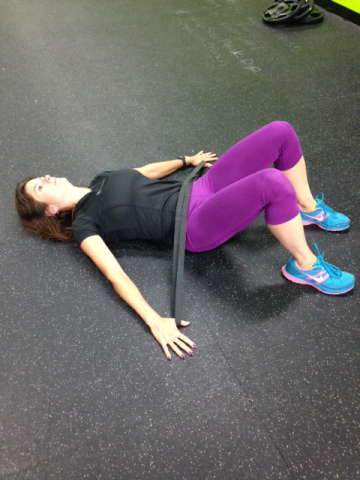
Band Resisted Hip Bridge

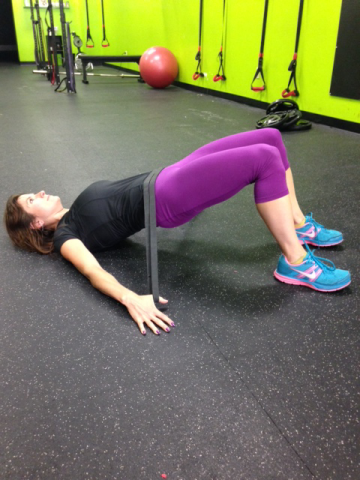
Start lying on your back with feet hip distance apart and knees bent at about a 45-degree angle.  Adjust your hips to a neutral position to alleviate any arching in your lower back.  Place the band across your hipbones.  Hold the band down with hands along the sides of your body.  Contract your abs and squeeze your glutes to lift your hips up off the ground.  Stop when your thighs, hips and stomach are in a straight line.  Lower you hips back down to the ground. 

Start with one set of 15 repetitions.  Work on increasing to 25 repetitions and doing two to three.  Another variation of this exercise is to hold the hip bridge position.  Start with a 30 second hold and work up to holding for 60 seconds.
Santa Claus is alive . . . and works for the drug industry


Maybe your teenagers no longer believe in Santa Claus, but I assure you: Not only is he alive, I believe that we have evidence that he works for the drug industry!

Psshaww! you say. Yet another rant from that kook, Davis. Who can he pick on next? What other imagined "conspiracies" can he uncover?

Let me recount the evidence and I'll let you decide how damning it all is:

--Christmas is a culture of excess, overeating, celebration: Cookies, candy canes, pie, chocolate, egg nog, more cookies . . . A virtual wheat and sugar frenzy!

--Wheat and sugars make us diabetic!

--What does a diabetic look like? How about big protuberant abdomen, florid cheeks, baggy eyes (from sleep apnea)? The red outfit and beard is optional, of course. Could you think of a better representation of what happens to a person when they eat goodies all the time?


I therefore submit that Santa Claus is at the root of a campaign to cultivate diabetes! Diabetes: a growth industry that is raking in billions of dollars for the drug companies!

I'd bet that Mr. Claus would agree with the dietary advice dispensed by the folks at the American Diabetes Association website:

A place to start is at about 45-60 grams of carbohydrate at a meal. You may need more or less carbohydrate at meals depending on how you manage your diabetes.


Eat more carbohydrates, get fatter in the abdomen, require more medication to keep sugar low. Then start over: eat more carbohydrates, get fatter, more medicines. Kaching!

"You may need more?" Personally, I'd be rendered comatose and helpless if I indulged in such carbohydrate gluttony.

If Mr. Claus were, instead, interested in our health and keeping us non-diabetic, Christmas would be a time for pistachios, almonds, dark chocolates, and tea.

You want health advice? Don't ask Santa Claus!

Another case of aortic valve disease reduced with vitamin D

I watched Seth's aortic valve deteriorate over a two year period.

I was first consulted in 2004 to offer an opinion on Seth's heart scan score of 779 and flagrantly abnormal cholesterol patterns, including triglycerides in the 400 mg/dl range. But I heard a murmur, as well, a murmur of a leaky aortic valve, "aortic valve insufficiency."

Over the next two years, I watched Seth's aortic valve worsen, going from mild leakiness to severe.

In 2006-2007, I tiptoed into vitamin D replacement and asked Seth to add some vitamin D. Time passed and Seth's aortic valve got progressively worse.

Over the past year, However, he's maintained a truly healthy level of vitamin D, with blood levels consistently in the 60-70 ng/ml range.

While Seth's last echocardiogram showed a severely leaky aortic valve, the most recent echo showed mild leakiness ("mild aortic insufficiency")--a dramatic reduction.

I continue to see this in many, though not all, patients with aortic valve disease. Though I've more frequently witnessed either stalled progression or reversal of aortic valve stenosis (stiffness), I've now seen a handful of people with aortic valve leakiness (insufficiency) also reverse.

I've posted about this peculiar phenomenon previously:

Aortic valve disease and vitamin D
More on aortic valve disease and vitamin D

Prior to vitamin D, I had NEVER witnessed any aortic valve disease stop or reverse.

A formal trial at some point would be invaluable.

Track Your Plaque Program Data Tracking Tools

At last: After talking about the new Track Your Plaque community tools for the last year, our data tracking software is now available!


Track Your Plaque is, admittedly, somewhat data-intensive. The basic concept relies on the fact that we track heart scan scores, cholesterol values, lipoprotein values like percent small LDL and Lp(a), vitamin D blood levels, intake of omega-3 fatty acids, etc. Our new data tracking tools will help Members track their data over time.

Even more interesting, you can allow other Members (not required) to view your data for comments and feedback. You can also view the program data of other Members (if they choose to make their data "public") to learn how they are going about stopping and reversing their coronary plaque.

In other words, our graphic data tracking tools are yet another way we are using to acquire a collective wisdom on how to put a stop to coronary heart disease, heart attack, and perverse "let's make money with heart procedures" hospital solutions.

One of the aspects that helps make this work is the sharing of data. So far, the people who have begun to enter their data have all made their information "public." It's not truly "public," but viewable only by other Track Your Plaque Members. Also, Members can, in effect, anonymize their data simply by using a nickname, e.g., heartprotection or hearthawk.

The data tracking tools are in beta-test version, so there are bound to be a few glitches. But we're eager to hear from our Members' experiences on how to improve these tools. Report any problems or make your suggestions on the Track Your Plaque Member Forum--Technical Support.

Yet another reason to avoid fructose

Have you seen the Corn Refiners Association commercial campaigns to educate the American public on the safety of fructose? If you haven't, you can view these interesting specimens on You Tube:

"Get the facts--You're in for a sweet surprise: Fructose is safe in moderation!"

Two Moms

Two lovers


Beyond the fact that fructose stimulates liver production of glycerol, which thereby increases liver VLDL production and raises blood levels of triglycerides; likely stimulates appetite; increases cholesterol levels; fructose has also been clearly implicated in increasing blood levels of uric acid.

Uric acid is the substance that, in some people, precipitates in joints and causes gout, the painful inflammatory arthritis that has been increasing in prevalence over the last four decades since the introduction of fructose in 1967. While blood levels of uric acid in the early part of the 20th century averaged 3.5 mg/dl, more recent population assessments have averaged 6.0 mg/dl or higher. (Non-human mammals who don't eat processed foods, drink fruit drinks or beer, and don't eat candy have uric acid levels of <2.0 mg/dl.)

Uric acid is looking like it may prove to be an important risk factor for coronary disease and atherosclerotic plaque. It is no news that people with higher blood levels of uric acid are more likely to experience adverse cardiovascular events like heart attack. People with features of the metabolic syndrome also have higher uric acid blood levels; the more characteristics they have, the higher the uric acid level. However, the prevailing view has been that uric acid is simply an accompaniment of these processes, but not causal.

However, more recent observations suggest that increased levels of uric acid may instead be a cause of metabolic syndrome and high blood pressure.

Increased blood levels of uric acid have been shown to:

--Increase blood pressure
--Induce kidney damage (even in the absence of uric acid kidney stones)
--Antagonize insulin responses

A diagnosis of gout is not required to experience all of the adverse phenomena associated with uric acid. (For not entirely clear reasons, some people, perhaps based on pH or other factors, are more prone to trigger crystallization of uric acid in joints, similar to the phenomena of sugar crystallization when making rock candy.)

Which brings us back to fructose, a sweetener that clearly substantially increases uric acid levels. I suppose that the mothers and lovers in the Corn Refiners' commercials are right to a degree: Our kids will survive, as will you and I, despite increases in triglycerides, enhanced diabetic tendencies, amplified appetites, and increased uric acid due to fructose in our diet. We will also likely survive despite being 100 lbs overweight, partly due to the effects of fructose.

But if long-term health is your desire for you and your family, fructose has no role whatsoever to play.

Interestingly, the obviously expensive and slick ad campaigns from the Corn Refiners' videos have triggered some helpful video counterarguments:

High-fructose corn syrup
Conspiracy for Fat America
High-fructose corn syrup truth


A full discussion of uric acid, the scientific data behind uric acid as a coronary risk factor, and the nutritional means to reduce uric acid will be the topic of a thorough discussion in an upcoming Special Report on the Track Your Plaque website.

Free the Animal

Richard Nikoley from the Free the Animal Blog contributes this informative comment:


'Bout 18 months ago, I was at 230 (5'10) and looked awful. I was on Omeprezole for years for gastric reflux, a variety of prescription meds since early 20s for seasonal sinus allergies, culminating finally in the daily, year round squirts of Flonase-esque sprays (the best for control without noticeable side-effects), and finally, Levothroid for about the last 7 years or so, as I had elevated TSH (around 9ish).

My BP was regularly 145-160 / 95-110.

I decided to get busy. I modified diet somewhat, cutting lots of junk carbs, and began working out -- brief, intense, heavy twice per week. BP began coming down immediately, such that within only a couple of weeks I was borderline rather than full blown high. Then after about six months, a year ago, I went to full blown low-carb, high fat, cutting out all grains, sugar, veg oils, etc, and replacing with animal fats, coconut, olive oil. You know the drill. Then, first of the year I felt great and simply stopped all meds, including the thyroid. I also began intermittent fasting, twice per week, and for a twist, I always do my weight lifting in some degree of fast, even as much as 30 hours.

That's when the weight really started pouring off. Take a look:

http://www.freetheanimal.com/root/2008/09/periodic-photo-progress-update.html

http://www.freetheanimal.com/root/2008/08/faceoff.html

In July I figured it's about time for a physical. Here's the lipid panel, demonstrating am HDL of 106 and Try of 47, great ratios all around:

http://www.freetheanimal.com/root/2008/07/lipid-pannel.html

However, my TSH was even higher -- 16ish. It seems odd that I was able to lose 40-50 pounds of fat (10-15 pounds of lean gain for a 30 pound net loss at that time -- now an additional 10 pounds net loss).

One disclosure is that I was drinking too much, almost daily, and quite a bit (gotta save some vices...). Anyway, I'm at the point now where I want to drill down. I know I need to see an endocrinologist and have T3 and T4 looked at, but in advance, I wanted to see if the recent changes I've made could make a difference:

1. Stopped all alcohol.
2. Stopped most dairy, except ghee and heavy cream, and cheese is now used as a "spice," i.e., tiny quantities -- no more milk.
3. 6,000 IU Vit D per day.
4. 3 grams salmon oil, 2 grams cod liver oil.
5. Vit K2 Menatetrenone (MK-4) -- side story: getting off grains reversed gum disease for which I have had two surgeries, then supplementing the K2 DISSOLVED calculus on my teeth within days -- hygienist and dentist are dumbfounded. Stephan (Whole Health Source), who comments here, has an amazing series on K2.


If you view his photos, you'll appreciate just how far he has come.

Overall, Richard's program is wonderful and his pictures clearly display his success. However, Richard, thyroid function is indeed a problem, a problem that needs to be fixed ASAP. Remember, low thyroid function used to be diagnosed at autopsy at which time the coronary arteries and other arteries of the body were found to be packed solid with atherosclerotic plaque, even in young people.

I'd recommend:

1) Consider 200 mcg Iodine per day from kelp if you do not use iodized salt.

2) Seeing your doctor right away for thyroid replacement, hopefully with consideration of your T3 status.

3) A heart scan--Not to lead to procedures, but something for you to track over time as your program improves and thyroid function is restored.

Beyond this, keep up the great work. Great blog, too!

Low Thyroid and Plaque

Having now tested the thyroid status of several hundred patients over the last few months, I have come to appreciate:

1) That thyroid dysfunction is rampant, affecting at least 25% of everyone I see.
2) It is an enormously effective means to reduce cardiovascular risk.


I'm not talking about flagrant low thyroid dysfunction, the sort that triggers weight gain of 30 lbs, gallons of water retention, baggy eyes, sleeping 14 hours a day. I'm talking about the opposite extreme: the earliest, subtle, and often asymptomatic degrees of thyroid dysfunction that raises LDL cholesterol, lipoprotein(a) (Lp(a), a huge effect!), and adds to coronary plaque growth.

Correcting the subtle levels of low thyroid:

1) Makes LDL reduction much easier

2) Facilitates weight loss

3) Reduces Lp(a)--best with inclusion of the T3 fraction of thyroid hormone.

Recall that, 100 years ago, the heart implications of low thyroid weren't appreciated until autopsy, when the unfortunate victim would be found to have coronary arteries packed solid with atherosclerotic plaque. It takes years of low thyroid function to do this. I advise you to not wait until you get to this point or anywhere near it.

I find it fascinating that many of the most potent strategies we are now employing in the Track Your Plaque process are hormonal: thyroid hormones, T3 and T4; vitamin D (the hormone cholecalciferol); testosterone; progesterone; DHEA, pregnenolone. Omega-3 fatty acids, while not hormones themselves, exert many of their beneficial effects via the eicosanoid hormone pathway. Elimination of wheat and cornstarch exert their benefits via a reduction in the hormone insulin's wide fluctuations.

We haven't yet had sufficient time to gauge an effect on coronary plaque and heart scan scores. In other words, will perfect thyroid function increase our success rate in stopping or reversing coronary plaque? I don't know for sure, but I predict that it will. In fact, I believe that we are filling a large "hole" in the program by adding this new aspect.

Fat and fiber composition of nuts


From Mukuddem-Petersen J, Oosthuizen1 W, Jerling JC. J Nutr 2005.


If you haven't yet done so, adding raw nuts to your health program yields a broad panel of health benefits.

Contrary to conventional advice, nuts can be eaten in unlimited quantities. Provided they are raw--unroasted, unsalted (since salting only accompanies roasted nuts), not roasted in unhealthy oils like hydrogenated cottonseed or soybean (very common)--they do not make you fat, regardless of the quantity consumed. Beer nuts, honey-roasted nuts, mixed nuts roasted in unhealthy oils with salt added are either fattening or exert other unhealthy effects (e.g., hypertension, rise in Lp(a), and cancer from the hydrogenated fats).

Some notable observations from the chart:

--Hazelnuts and macadamians are the richest in monounsaturates
--Walnuts are the richest in the omega-6 linoleic acid, while also richest in the "omega-3" linolenic acid.
--From a fat composition standpoint, raw cashews and dry roasted peanuts aren't so bad.
--Pistachios figure pretty favorably in this analysis, rich in monounsaturates.
--Coconuts are unusually rich in saturated fat, though about half is lauric acid--an issue for future conversation.


Here's a listing of the fiber composition of nuts per 1 oz serving (about a handful):

Almonds (24 nuts) 3.5 g
Brazilnuts, dried (6-8 nuts) 2.1 g
Cashew nuts, dry roasted, with salt added (18 nuts) 0.9 g
Hazelnuts or filberts 2.7 g
Macadamia nuts, dry roasted, with salt added (10-12 nuts) 2.3 g
Mixed nuts, dry roasted, with peanuts, with salt added 2.6 g
Peanuts, all types, dry-roasted, without salt 2.3 g
Pecans (20 halves) 2.7 g
Pine nuts, dried 1.0 g
Pistachio nuts, dry roasted, with salt added (47 nuts) 2.9 g
Walnuts, English (14 halves) 1.9 g

Data courtesy USDA Nutrient Database


Note that almonds are the winners with 3.5 grams fiber per ounce, pistachios a close second. Pine nuts and cashews place last on the fiber content chart.

Not addressed by the charts is protein content of nuts, as well as the low sugar content, all additional beneficial aspects of nuts. Nuts are also a moderate source of magnesium (though seeds like pumpkin and sunflower shine in the magnesium content area).

Rather than micromanage the specific fat and fiber content of your diet, why not get a little of the good of everything on the list and just mix and match the nuts? (Mixed and matched on your own, of course, not a hydrogenated cottonseed oil nut mixture).

Flush-free niacin kills

Here, I re-post a conversation I've posted before, that of the scam product, "no-flush" niacin, also known as "flush-free" niacin.

I find this issue particularly bothersome, since I have a patient or two each and every week who forgets the explicit advice I gave them to avoid these scam products altogether. Despite costing more than conventional niacin, they exert no effect, beneficial or otherwise. Niacin--the real thing--exerts real and substantial beneficial effects. No-flush or flush-free does nothing except drain your wallet. I continue to marvel at the fact that supplement manufacturers persist in selling this product. Ironically, it commands a significant premium over other niacin forms.

They are outright scams that should be avoided altogether.


My former post, No-flush niacin kills:

Gwen was miserable and defeated.

No wonder. After a bypass operation failed just 12 months earlier with closure of 3 out of 4 bypass grafts, she has since undergone 9 heart catheterization procedures and received umpteen stents. She presented to me for an opinion on why she had such aggressive coronary disease (despite Lipitor).

No surprise, several new causes of heart disease were identified, including a very severe small LDL pattern: 100% of LDL particles were small.

Given her stormy procedural history, I urged Gwen to immediately drop all processed carbohydrates from her diet, including any food made from wheat or corn starch. (She and her husband were shocked by this, by the way, since she'd been urged repeatedly to increase her whole grains by the hospital dietitians.) I also urged her to begin to lose the 30 lbs of weight that she'd gained following the hospital dietitians' advice. She also added fish oil at a higher-than-usual dose.

I asked her to add niacin, among our most effective agents for reduction of small LDL particles, not to mention reduction of the likelihood of future cardiovascular events.

Although I instructed Gwen on where and how to obtain niacin, she went to a health food store and bought "no-flush niacin," or inositol hexaniacinate. She was curious why she experienced none of the hot flush I told her about.

When she came back to the office some weeks later to review her treatment program, she told me that chest pains had returned. On questioning her about what she had changed specifically, the problem became clear: She'd been taking no-flush niacin, rather than the Slo-Niacin I had recommended.

What is no-flush niacin? It is inositol hexaniacinate, a molecule that indeed carries six niacin molecules attached to an inositol backbone. Unfortunately, it exerts virtually no effect in humans. It is a scam. Though I love nutritional supplements in general, it pains me to know that supplement distributors and health food stores persist in selling this outright scam product that not only fails to exert any of the benefits of real niacin, it also puts people like Gwen in real danger because of its failure to provide the effects she needed.

So, if niacin saves lives, no-flush niacin in effect could kill you. Avoid this scam like the plague.

No-flush niacin does not work. Period.


Disclosure: I have no financial or other relationship with Upsher Smith, the manufacturer of Slo-Niacin.


Copyright 2008 William Davis, MD

CT coronary angiography is NOT a screening procedure

I've recently had several hospital employees tell me that their hospitals offered CT coronary angiograms without charge to their employees.

Among these hospital employees were several women in their 30s and 40s.

Why would young, asymptomatic, pre-menopausal women be subjected to the equivalent of 100 chest x-rays or 25 mammograms? Is there an imminent, life-threatening, symptomatic problem here?

All of these women were without symptoms, some were serious exercisers.

There is NO rational justification for performing CT coronary angiography, free or not.

What they really want is some low-risk, yet confident means of identifying risk for heart disease. Cholesterol, of course, is a miserable failure in this arena. Framingham risk scoring? Don't make me laugh.

Step in CT coronary angiography. But does CT coronary angiography provide the answers they are looking for?

Well, it provides some of the answers. It does serve to tell each woman whether she "needs" a heart procedure like heart catheterization, stent, or bypass surgery, since the intent of CT angiography is to identify "severe" blockages, sufficient to justify heart procedures.

Pitfalls: Because of the radiation exposure, CT angiography is not a procedure that can be repeated periodically to reassess the status of any abnormal findings. A CT angiogram every year? After just four years, the equivalent of 400 chest x-rays will have been performed, or 100 mammograms. Cancer becomes a very real risk at this point.

CT angiography is also not quantitative. Sure, it can provide a crude estimation of the percent blockage--the value your cardiologist seeks to "justify" a stent. But it does NOT provide a longitudinal (lengthwise) quantification of plaque volume, a measure of total plaque volume that can be tracked over time.

What's a woman to do? Simple: Get the test that, at least in 2008, provides the only means of gauging total lengthwise coronary plaque volume: a simple CT heart scan, a test performed with an equivalent of 4 - 10 chest x-rays, or 1 - 2.5 mammograms.

Perhaps, in future, software and engineering improvements will be made with CT coronary angiography that reduce radiation to tolerable levels and allows the lengthwise volume measurement of plaque. But that's not how it's done today.

The Wheat Deficiency Syndrome

Beware the dreaded Wheat Deficiency Syndrome.

Like any other syndrome, you can recognize this condition by its many tell-tale signs:

--Flat abdomen
--Rapid weight loss
--High energy
--Less mood swings
--Better sleep
--Diminished appetite
--Reduced blood sugar
--Reduced blood pressure
--Reduced small LDL and total LDL
--Increased HDL
--Reduced triglycerides
--Reduced C-reactive protein and other inflammatory measures


Of course, you could choose to cure yourself of this syndrome simply by taking the antidote: foods made with wheat flour, like bread, breakfast cereals, pastas, pretzels, crackers, and muffins.

All the signs of the syndrome will then disappear and you can have back your protuberant abdomen, irrational mood swings, exagerrated appetite, higher blood sugar, etc.
All posts by william-davis

Excessive Heart Procedures Makes New York Times Headline


One example of flagrant cardiac procedure excess has made New York Times headlines:


Heart Procedure Is Off the Charts in an Ohio City
The number of angioplasties performed in Elyria is so high that Medicare is starting to ask questions.

(The full article can be accessed through the New York Times website at http://www.nytimes.com/2006/08/18/business/18stent.html?pagewanted=2&ei=5094&en=b81be5f43f98a99b&hp&ex=1155960000&partner=homepage)


Cardiologists in little Elyria, Ohio, about a 30-minute drive west of Cleveland, do more coronary angioplasties and insert more stents than any other location in the U.S.--four times more than the national average, three times more than the Cleveland average. They perform even more than the recently-indicted cardiologist in Louisiana, who performed twice the national average of procedures.


The Times article, part of a series about financial incentives in medical care, provides a responsible and incredibly balanced report on the situation in Elyria. I have to give them credit, because from the eyes of a colleague (myself), this looks like blatant and extreme profiteering: "cathing for dollars".

I find it outrageous that this group of cardiologists claims that they have some special insight into heart care that justifies this extraordinary reliance on heart procedures. There's bound to be variation in practice patterns, but this is so outside the norm that I believe criminal behavior will be exposed. In fact, I believe that even the "norm", or average, rate of procedures is also excessive.

This is symptomatic of the perverse equation in heart disease care. If there's money to be made in major heart procedures, who wants to bother with prevention? Programs like the Track Your Plaque program present real potential to stop coronary heart disease in its tracks for many, if not most, participants--but don't expect to hear about it from your cardiologist. Don't expect to hear about it from the increasingly hospital-employed primary care physician.

Hopefully, media exposure like that in the New York Times is just the beginning of a public re-analysis of not only what's wrong with medicine today, but recognition of the tremendous power in preventive strategies when everyone stops being so enamored with hospital-based procedures. CT-based heart scanning that ignites your heart disease prevention program is your way to dodge the mainstream obsession with procedures.

More on "Bio-identical hormones" and Wyeth Pharmaceuticals

In October 2005, Wyeth petitioned the FDA, requesting that it completely ban the bioidentical alternatives that women have been using in ever-increasing numbers to achieve optimal hormone balance. With bioidentical replacement therapy clearly reducing its market share, Wyeth asked the FDA to outlaw all compounded bioidentical hormone formulations that compete with its own discredited drugs. If Wyeth is successful, then menopausal women will have no choice other than to take potentially life-threatening hormone drugs or to forgo hormone replacement therapy altogether, thus enduring the physically and emotionally debilitating effects of menopause-induced hormone depletion.

Dave Tuttle
Life Extension Magazine
August, 2006


For more commentary on Wyeth Pharmaceutical's outrageous and brazen petition to the FDA to bar prescription "bio-identical" hormones, i.e., hormones that are identical to natural human forms, read Life Extension's article, Health Freedom Under Attack!
Drugmaker Seeks to Deny Access to Bioidentical Hormones


This well-researched article is in the August, 2006 issue of Life Extension Magazine. The article can also be accessed online at http://www.lef.org/magazine/mag2006/aug2006_cover_attack_01.htm

or go to www.lef.org and click on the August, 2006 issue.

The author, Dave Tuttle, details the baseless arguments raised by Wyeth, a pathetic and amazingly selfish act in the name of protecting profits for Premarin, their prescription agent. It's bad enough to be selling this worthless drug. It's even worse--criminal, in my mind--to try to stamp out our right to have a physician write a prescription for a pharmacy to mix up hormones identical to that humans produce, individualized to our needs.

If you are as angry about this as I am, please go to the Life Extension online reprint that provides access to the International Academy of Compounding Pharmacists website to send the FDA an e-mail describing your opinion, or go to www.iacprx.org.

How accurate is LDL cholesterol?

Watch TV and you'd get the impression that the world revolves around LDL cholesterol: Commercials for Lipitor, Zetia, Vytorin, etc., all drugs to reduce cholesterol (total and LDL). Your doctor looks first and often only at LDL cholesterol.

If there's so much attention paid to LDL, how accurate is it? 100%? 90%? 80%?

Well, it varies widely. Occasionally, it's truly accurate, but most of the time it's miserably inaccurate . Every single day, I see people with LDL cholesterols that underestimates true (measured) LDL by 40%, 50%, and even over 100%. In other words, LDL cholesterol might be 120 mg/dl by the conventional method, but the genuine measured value might be 160 mg/dl, or even 240 mg/dl. It can be that far off--and it's not rare.

The converse can occasionally be true, though rarely in my experience: that conventional LDL overestimates true LDL. I saw someone in the office today like this, with a conventional LDL of 142 mg/dl but a true measured LDL of 115 mg/dl. I may see one or two more people like this the rest of this year.


Why is LDL so inaccurate? Several reasons:

--LDL in most labs is calculated, not measured. The "Friedewald calculation" derives LDL by substracting HDL and triglycerides (divided by 5) from total cholesterol. The higher triglycerides are, especially above 150 mg/dl, the more inaccurate the calculation becomes. As HDL drops below 50 mg/dl, this also introduces greater and greater inaccuracy.

--LDL particles vary in size. A more accurate representation and measure of LDL's dangers are therefore found in measures of LDL particle number , rather than a weight-based measure or calculation. LDL particle number can be measure as just that, LDL particle number (NMR), or as apoprotein B, the protein in LDL that occurs one apoB per LDL.

I liken conventionally calculated LDL cholesterol to a broken speedometer. You simply won't have an accurate measure of how fast you're going, though you may have a ballpark sense. But try telling that to the state patrol.

Or, as a cardiologist colleague said to me in a similar conversation about LDL: "Well, it's better than nothing!"

The lesson: If you're interested in plaque control, and control or reduction of heart scan score, you need a measured LDL, preferably LDL particle number by NMR or an apoprotein B. Another option is "direct" LDL.

Green tea: friend or faux?

The www.HealthCastle.com website is a helpful website on healthy eating that sends out a free newsletter. The content is all produced by licensed dietitions and nutritionists. Although I don't agree with everything said on the site, there's still some good information.

I'm a fan of green tea. Although I believe the effects are relatively modest (weight reduction, cholesterol reduction, anti-oxidation, etc., with theaflavin and/or green tea as a beverage,) they alerted me to the fact that the Lipton Green Tea product is one you should steer clear of. Here are their comments:


"More like Soft drink than Green Tea!With 200 calories, 13 teaspoons of added sugar and a long list of artificial ingredients, Lipton Iced Green Tea is more like a bottle of soft drink than tea, in our opinion."


The Lipton website lists the ingredients:

Water, high fructose corn syrup, citric acid, green tea, sodium hexametaphosphate, ascorbic acid (to protect flavor), honey, natural flavors, phosphoric acid, sodium benzoate (preserves freshness), potassium sorbate (preserves freshness), calcium disodium edta (to protect flavor), caramel color, tallow 5, blue1.

An 8 oz serving yields 21 grams of sugar. If you drink the full 20 oz. bottle (not hard to do!), that yields 52.5 grams of sugar! You will also notice that the second ingredient listed after water is high fructose corn syrup. This ingredient, you may recall, causes triglycerides to skyrocket, causes an insatiable sweet tooth, and is a probable contributor to obesity and diabetes.

In their defense, the Lipton people do also offer a sugar-free alternative without the excessive sweeteners and empty calories.

Do the Lipton products offer the same kind of benefits from green tea catechins (flavonoids) offered by freshly brewed teas? This product has not been formally tested by an independent lab to my knowledge, though, in general, commercially prepared and bottled teas tend to have dramatically less catechin/flavonoid content compared to brewed. (The USDA website provides access to an extraordinary collection of flavonoid food content at their USDA Database for the Flavonoid Content of Selected Foods - 2003. You'll find it at http://www.ars.usda.gov/Services/docs.htm?docid=6231.)

I think the HealthCastle people got it right: Brew your own, making sure to steep for at least 3 minutes. Alternatively, a green tea or theaflavin supplement provides many of the benefits. (Theaflavin has been used in trials at doses of 375 to 900 mg per day.) An in-depth report on green tea will be coming in a future Special Report on the www.cureality.com Membership website.

The Track Your Plaque guide to getting grotesquely overweight

If you'd like to gain huge quantities of weight, here's a number of helpful tips:

1) Follow the advice of food manufacturers and eat the products they label "healthy", or "heart healthy", or "part of a nutritious breakfast" etc., like Shredded Wheat cereal, pretzels ("a low-fat snack"!), low- or non-fat salad dressings.

2) Cut your morning calorie intake by skipping breakfast.

3) Hang around with other heavy people. They will confirm that it's okay to be overweight.

4) Call walking your dog "exercise".

5) Get a sedentary desk job. Use your swivel desk chair to scoot about whenever possible, rather than getting up to do things.

6) Say "I've worked hard all week long. Weekends are for relaxing, not for physical activities. I deserve a rest."

7) Eat foods without thinking about it: Eat chips while watching football, eat while on the phone, daydream over the sink.

8) Eat to provide comfort when stressed.

9) Eat foods that have sentimental value, whether or not they're good for you: Freshly-baked cakes that remind you of Mom, Pop Tarts that you used to carry in your lunchbox when you were a kid, hot dogs just like Dad would buy at the baseball stadium.

10) Cut back on sleep and generate insatiable starch cravings.

11) Stack your shelves at home with great variety. That way, you'll always have something to suit your mood.

12) Say to your spouse: "It's none of your damn business what I eat! I'm a grown man/woman!" Prove it by over-indulging in obviously unhealthy foods.

13) Tell yourself that you're just too busy to pay attention to food choices. Just grab whatever you can out of a convenience store or vending machine.

See, it's easy! And that just a start.

Of course, I don't really want you to do any of these things. But if you see yourself in any of the above, and you're struggling with weight, you should seriously rethink your approach.

Your heart scan is just a "false positive"

I've seen this happen many times. Despite the great media exposure and the growing acceptance of my colleagues, heart scans still trigger wrong advice. I had another example in the office today.

Henry got a CT heart scan in 2004. His score: 574. In his mid-50s, this placed him in the 90th percentile, with a heart attack risk of 4% per year. Henry was advised to see a cardiologist.

The cardiologist advised Henry, "Oh, that's just a 'false positive'. It's not true. You don't have any heart disease. Sometimes calcium just accumulates on the outside of the arteries and gives you these misleading tests. I wish they'd stop doing them." He then proceeded to advise Henry that he needed a nuclear stress test every two years ($4000 each time, by the way). No attempt was made to question why his heart scan score was high, since the entire process was outright dismissed as nonsense.

I'm still shocked when I hear this, despite having heard these inane responses for the past decade. Of course, Henry's heart scan was not a false positive, it was a completely true positive. I'm grateful that nothing bad happened to Henry through two years of negligence, though his heart scan score is likely around 970, given the expected, untreated rate of increase of 30%.

The cardiologist did a grave disservice to Henry: He misled him due to his ignorance and lack of understanding. I wish Henry had asked the cardiologist whether he had read any of the thousands of studies now available validating CT heart scans. I doubt he's bothered to read more than the title. The cardiologist is lucky (as is Henry) that nothing bad happened in those two years.

Do false positives occur as the cardiologist suggested? They do, but they're very rare. There's a rare phenomenon of "medial calcification" that occurs in smokers and others, but it is quite unusual. >99% of the time, coronary calcium means you have coronary plaque--even if the doctor is too poorly informed to recognize it.

What's better than a heart scan?


Do you know what's better than a heart scan?

Two heart scans. No other method can provide better feedback on the results of your program.

Say you've made efforts to correct high LDL; lost weight to raise HDL and reduce small LDL; added soluble fibers, nuts, and dramatically reduced wheat products; take fish oil, vitamin D, and follow a flavonoid-rich diet. Has it worked?

After a year or so of your program, that's when another heart scan can give you invaluable feedback on whether it's been successful. I tell my patients that it's relatively easy to correct lipid and lipoprotein abnormalities. The difficult part is to know when it's good enough. Is your LDL of 67 mg/dl and HDL of 50 mg/dl good enough? Another heart scan score is the best way I know of to find out.

Variation in plaque growth differs hugely from one person to another, even at equivalent lipoprotein values. Why? Lots of reasons. Humans are inconsistent day to day. Lipoproteins, being a snapshot in time and not a cumulative value, change somewhat from day to day. There's also the possibility of unmeasured, unrecognized factors that influence coronary plaque growth. We may not be smart enough to identify these hidden factors yet. But your heart scan score will incorporate the effects of these hidden factors.

Ideally, we aim for zero growth in plaque (no change in score) or a reduction. But, particularly in the first year, 10% or less plaque growth is still a good result that predicts much reduced risk of heart attack. More than 20% per year and your program needs more work--or else you know what's ahead.

Lipids are snapshots in time; heart scans are cumulative

Let me paint a picture. It's fictional, though a very real portrait of how things truly happen in life.

Michael is an unsuspecting 40-year old man. He hasn't undergone any testing: no heart scan, no lipids or lipoproteins. But we have x-ray vision, and we can see what's going on inside of him. (We can't, of course, but we're just pretending.) Average build, average lifestyle habits, nothing extraordinary about him. His lipids/lipoproteins at age 40:

--LDL cholesterol 150 mg/dl
--HDL cholesterol 38 mg/dl
--Triglycerides 160 mg/dl
--Small LDL 70% of all LDL

At age 40, with this panel, his heart scan score is 100. That's high for a 40-year old male.

Fast forward 10 years. Michael is now 50 years old. Michael prides himself on the fact that, over the past 10 years, he's felt fine, hasn't gained a single pound, and remains as active at 50 as he did in 40. In other words, nothing has changed except that he's 10 years older. His lipids and lipoproteins:

--LDL cholesterol 150 mg/dl
--HDL cholesterol 38 mg/dl
--Triglycerides 160 mg/dl
--Small LDL 70% of all LDL

Some of you might correctly point out that just simple aging can cause some deterioration in lipids and lipoproteins, but we're going to ignore these relatively modest issues for now.)

Lipids and lipoproteins are, therefore, unchanged. Michael's heart scan score: 1380, or an approximate 30% annual increase in score. (Since Michael didn't know about his score, he took no corrective/preventive action.)

My point: If we were to make our judgment about Michael's heart disease risk by looking at lipids or lipoproteins, they would'nt tell us where he stood with regards to heart disease risk. His lipids and lipoproteins were, in fact, the same at age 50 as they were at age 40. That's because measures of risk like this are snapshots in time.

In contrast, the heart scan score reflects the cumulative effects of life and lipids/lipoproteins up until the day you got your scan.

Which measure do you think is a better gauge of heart attack risk? I think the answer's obvious.

The recognition of the metabolic syndrome as a distinct collection of factors that raise heart disease risk has been a great step forward in helping us understand many of the causes behind heart disease.

Curiously, there's not complete agreement on precisely how to define metabolic syndrome. The American Heart Association and the National Heart, Lung, and Blood Institute issued a concensus statement in 2005 that "defined" metabolic syndrome as anyone having any 3 of the 5 following signs:


Waist size 40 inches or greater in men; 35 inches or greater in women

Triglycerides 150 mg/dL or greater (or treatment for high triglycerides)

HDL-C <40 mg/dL in men; <50 mg/dL in women (or treatment for reduced HDL-C)

Blood Pressure >130 mmHg systolic; or >85 mmHg diastolic (or drug treatment for hypertension)

Glucose (fasting) >100 mg/dL (or drug treatment for elevated glucose)


Using this definition, it has become clear that meeting these criteria triple your risk of heart attack.

But can you have the risk of metabolic syndrome even without meeting the criteria? What if your waste size (male) is, 36 inches, not the 40 inches required to meet that criterion; and your triglycerides are 160, but you meet none of the other requirements?

In our experience, you certainly can carry the same risk. Why? The crude criteria developed for the primary practitioner tries to employ pedestrian, everyday measures.

We see people every day who do not meet the criteria of the metabolic syndrome yet have hidden factors that still confer the same risk. This includes small LDL; a lack of healthy large HDL despite a normal total HDL; postprandial IDL; exercise-induced high blood pressure; and inflammation. These are all associated with the metabolic syndrome, too, but they are not part of the standard definition.

I take issue in particular with the waist requirement. This one measure has, in fact, gotten lots of press lately. Some people have even claimed that waist size is the only requirement necessary to diagnose metabolic syndrome.

Our experience is that features of the metabolic syndrome can occur at any waist size, though it increases in likelihood and severity the larger the waist size. I have seen hundreds of instances in which waist size was 32-38 inches in a male, far less than 35 inches in a female, yet small LDL is wildly out of control, IDL is sky high, and C-reactive protein is markedly increased. These people obtain substantial risk from these patterns, though they don't meet the standard definition.

To me, having to meet the waist requirement for recogition of metabolic syndrome is like finally accepting that you have breast cancer when you feel the two-inch mass in your breast--it's too late.

Recognize that the standard definition when you seen it is a crude tool meant for broad consumption. You and I can do far better.

What role DHEA?


DHEA, the adrenal gland hormone, has suffered its share of ups and downs over the years.

Initially, DHEA was held up as the fountain of youth with hopes of turning back the clock 20 years. Such extravagant dreams have not held up. But DHEA can still be helpful for your program.

All of us had oodles of DHEA in our bodies when we were in our 20s and 30s. Gradually diminishing levels usually reach nearly blood levels of around zero by age 70.


In our heart disease prevention program, of course, we aim to stop or reduce your CT heart scan score. Does DHEA reduce your score? No, it most certainly does not. But it can be helpful for gaining control over some of the causes behind coronary plaque.

For instance, DHEA can:

--Help reduce abdominal fat and increase muscle mass (slightly)
--Provide more physical stamina.
--Boost mood.
--It may modestly reduce some of the phenomena associated with the metabolic syndrome (high blood pressure, high blood sugar, high insulin, low HDL, small LDL, etc.)

In my experience, people who feel better do better on their overall program. If you're always tired and run down and run out of steam by 3 pm, I won't see you riding your bicycle outdoors or at the aerobics class. But if you're bursting with energy until you put your head on the pillow, you're more inclined to walk, bike, dance, play with the kids, dance, take Tai Chi, etc.

Some downsides to DHEA: Some people experience aggression. Backing off on the dose usually relieves it. Also, sleeplessness. Taking your DHEA in the morning usually fixes it.


The dose is best tailored to your age and blood levels. People less than 40 years old should not take DHEA. The older you are, the higher the dose, though we rarely ever have to exceed 50 mg per day. If you've never had a blood level and your doctor refuses to obtain one, 25 mg per day is a reasonable dose (10-15 mg in women 40-50 years old). It's always best to discuss your supplement use, particularly agents like DHEA, with your doctor.

Track Your Plaque Members: Stay tuned to the www.cureality.com website for a Special Report more completely detailing the hows and whys behind DHEA.